

Nusa Penida is not only known for its stunning landscapes and pristine beaches, but also for its rich cultural heritage and traditions. This essential guide will take you beyond the island’s natural beauty to explore its fascinating local customs, spiritual practices, and traditional way of life. Whether you’re visiting for a day or staying longer, understanding Nusa Penida’s culture will deepen your experience and connection with this unique destination.
1. Balinese Hinduism on Nusa Penida: A Spiritual Foundation
Balinese Hinduism is the dominant religion on Nusa Penida, just like on the mainland of Bali. Temples and religious ceremonies are a vital part of life for the island’s inhabitants. As a visitor, you’ll see many of these traditions woven into daily life.
Key Temples to Visit:
- Pura Dalem Ped: The most important temple on the island, Pura Dalem Ped is known for its spiritual significance. Locals visit this temple to seek protection from evil forces. As a visitor, you can witness the rituals and offerings made to the gods during important ceremonies.
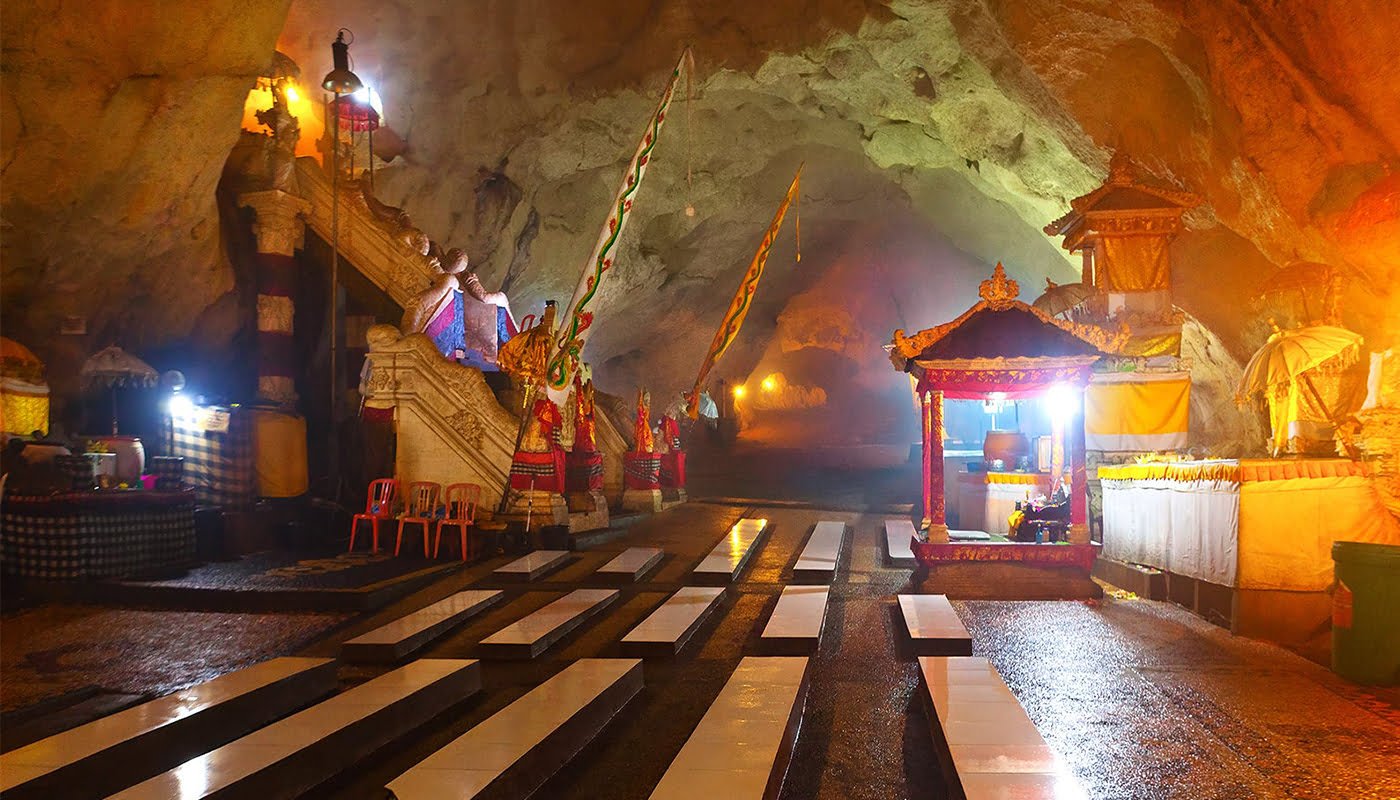
- Pura Goa Giri Putri: Located inside a large cave, this temple is dedicated to multiple deities, including Shiva. Pilgrims travel from all over Bali to visit, and the journey through the narrow cave entrance is both an adventure and a spiritual experience.
Cultural Tip:
When visiting temples, dress modestly by wearing a sarong and sash, which are often provided at the entrance. Offerings of flowers and incense are commonly made by locals as a sign of respect to the gods.
2. Unique Ceremonies and Festivals
Nusa Penida has several unique ceremonies that reflect its deep connection to the spiritual world. If you’re lucky enough to visit during one of these festivals, you’ll gain insight into the island’s traditional beliefs and practices.
Key Festivals:
- Ngaben (Cremation Ceremony): A central part of Balinese Hindu culture, Ngaben is a funeral rite that celebrates the soul’s journey to the afterlife. The ceremony is elaborate and involves colorful processions, music, and offerings to guide the spirit.
- Nusa Penida Festival: Held annually, this festival showcases the island’s culture through traditional dance, music, and crafts. It’s a fantastic opportunity for visitors to experience the artistic side of Nusa Penida and engage with locals.
Cultural Tip:
Festivals are community events, and visitors are generally welcome to observe. Be mindful of personal space and avoid getting too close to ceremonial leaders or sacred objects.
3. Traditional Music and Dance
Music and dance are integral to Nusa Penida’s culture, often used in ceremonies and festivals to communicate with the divine. The island has its own variations of traditional Balinese performances, each with deep symbolic meaning.
Key Performances:
- Barong Dance: The Barong is a mythical creature symbolizing good, and its dance tells the story of the eternal battle between good and evil. You can see Barong performances during temple ceremonies or cultural festivals.
- Gamelan Music: Traditional gamelan music accompanies most cultural performances on Nusa Penida. This ensemble of percussion instruments creates an enchanting, rhythmic sound that forms the backdrop to many religious rituals and celebrations.
Cultural Tip:
Many guesthouses and local cultural centers offer evening performances of traditional music and dance. Attending one of these shows is a great way to support local artists and understand the cultural significance behind each performance.
4. Local Crafts and Artisanship
Nusa Penida is home to many skilled artisans who continue traditional crafts passed down through generations. From intricate wood carvings to beautiful textile weaving, these crafts offer a glimpse into the island’s creative heritage.
What to Look For:
- Ikat Weaving: Traditional weaving techniques are still practiced on the island. Handwoven ikat fabrics are used in ceremonial attire and are often sold in local markets.
- Wood Carvings: Many local craftsmen create intricate wood carvings inspired by Balinese mythology and Hindu deities. These make for meaningful souvenirs and gifts that reflect the island’s cultural depth.
Cultural Tip:
When buying local crafts, ensure you’re purchasing from genuine artisans and not mass-produced outlets. This way, you contribute to the preservation of traditional skills and support the local economy.
5. Village Life and Daily Traditions
The heart of Nusa Penida’s culture can be found in its villages, where daily life is deeply rooted in tradition. From farming practices to family ceremonies, these villages offer an authentic glimpse into the island’s way of life.
Key Aspects of Village Life:
- Subak System: This traditional irrigation system is central to rice farming in Bali, including Nusa Penida. It’s a communal system managed by local farmers, reflecting the island’s strong sense of community.
- Daily Offerings (Canang Sari): You’ll notice small offerings made of flowers, rice, and incense placed in front of homes and businesses. These offerings are made daily by locals to honor the gods and protect their families from harm.
Cultural Tip:
If you have the opportunity to visit a local village, be respectful of the customs and traditions. It’s common to be invited to partake in daily activities, like helping with offerings or farming tasks, but always follow the guidance of your host.
6. Respecting Local Customs as a Visitor
While Nusa Penida welcomes visitors, it’s important to approach the island with respect for its traditions. This ensures that your trip is both enjoyable and culturally enriching.
Key Etiquette Tips:
- Dress Modestly: When visiting temples or villages, ensure your shoulders and knees are covered.
- Show Respect for Ceremonies: Always ask before taking photos of religious events or rituals, and keep a respectful distance.
- Support Local Businesses: Choose locally owned guesthouses, restaurants, and craft shops to contribute positively to the local economy.
Nusa Penida is more than just a tropical paradise—it’s a place where ancient traditions continue to thrive. By exploring the island’s culture, festivals, and daily life, you’ll leave with a deeper understanding and appreciation for this remarkable destination. Whether it’s witnessing a temple ceremony, enjoying a traditional dance, or simply engaging with the locals, your cultural experience on Nusa Penida will be unforgettable.