
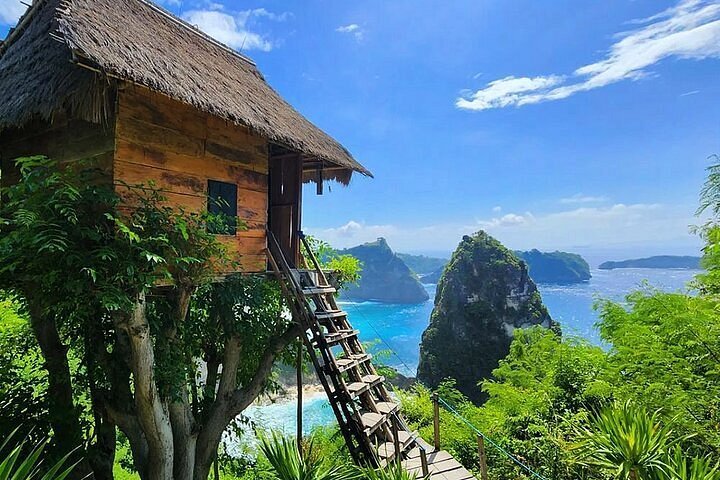
The rugged cliffs of Kelingking Beach and the swirling turquoise waters of Angel’s Billabong have long made Nusa Penida a crown jewel of Indonesian tourism. However, as we look toward Nusa Penida 2026, the conversation has shifted from mere “sightseeing” to “stewardship.” This island, while breathtaking, is ecologically fragile. Traveling here in the coming years requires a conscious effort to preserve its limestone landscapes and vibrant marine life.
Choosing an eco-friendly approach isn’t just about saving the planet; it’s about experiencing the “Golden Queen” of islands in its most authentic form. By following a sustainable path, you bypass the soul-crushing crowds and connect deeper with the local Balinese culture that remains the heartbeat of the island.
Logistics: Getting to and Around the Island in 2026
Planning a trip to Nusa Penida 2026 requires more than just a backpack and a dream. Logistics have become more streamlined, but the island’s infrastructure still presents unique challenges.
Getting There: The Fast Boat Experience
Most travelers depart from Sanur Harbor in Bali. By 2026, the new terminal facilities have significantly improved the boarding process.
- Cost: Expect to pay between IDR 300,000 and IDR 450,000 for a round-trip ticket.
- Schedule: Boats typically run from 7:30 AM to 5:00 PM. Always book the morning boat to maximize your first day.
- Permits: A local tourism levy (Retribusi) is usually collected upon arrival at the port in Penida, costing approximately IDR 25,000.
Navigating the Terrain
The roads of Nusa Penida are notoriously narrow and winding. While major arteries were paved leading into Nusa Penida 2026, the paths to “hidden gems” remain bumpy.
- Scooters: Best for solo travelers or couples comfortable with steep inclines. Rental: IDR 80,000 – 120,000/day.
- Private Cars: Highly recommended for families or those prioritizing safety and AC. Rental with a driver: IDR 600,000 – 800,000/day.
1. Adopt a “Zero-Waste” Island Mentality
Waste management is the greatest challenge facing Nusa Penida 2026. Because the island lacks a large-scale recycling plant, much of what is left behind ends up in landfills or the ocean.
- Pack Out What You Pack In: Carry a reusable dry bag for your trash. If you bring plastic-wrapped snacks to Diamond Beach, take the wrappers back to your hotel in Bali or a mainland hub where waste processing is more advanced.
- The Refill Revolution: Most high-end eco-lodges and “Warungs” (local cafes) now offer gallon-refill stations. Use a stainless steel bottle to avoid contributing to the millions of plastic bottles discarded annually.
- Sustainable Toiletries: Use reef-safe sunscreen and biodegradable soaps. The island’s water table is sensitive; chemicals from standard sunscreens can leach into the coastal waters, damaging the very reefs you came to see.
2. Support Community-Led Conservation
Tourism in Nusa Penida 2026 is moving toward a model where locals are the primary beneficiaries. To travel responsibly, vote with your wallet.
- Eat Local: Skip the international franchises and dine at family-owned Warungs. You’ll save money—a meal usually costs IDR 35,000 to 70,000—and support the local agricultural supply chain.
- Stay in Eco-Bungalows: Look for accommodations built from sustainable bamboo or recycled timber. Many of these spots use greywater recycling systems to hydrate their tropical gardens.
- Contribute to Sea Turtle Conservation: Several spots on the north coast host small-scale hatcheries. If you visit, offer a donation rather than just taking photos, ensuring they have the funds to protect nests from predators.
3. Experience “Nusa Penida Nice Trip”
When it comes to balancing adventure with responsibility, Nusa Penida Nice Trip stands out as a premier operator for the conscious traveler. They specialize in curated journeys that respect the island’s natural pace while ensuring visitors see the iconic sights without the logistical headache.
Whether you are looking for a private snorkeling charter to Manta Point or a guided trekking expedition through the lush interior, their team focuses on small-group dynamics to minimize environmental impact. Their tagline says it all: “Explore Hidden Gems with Expert Guides.”
By booking through an established local expert like Nusa Penida Nice Trip, you ensure that your transport is well-maintained (reducing emissions) and that your guide is trained in “Leave No Trace” principles. Their 2026 packages often include visits to lesser-known spots like Tembeling Forest, where they emphasize the spiritual and ecological importance of the island’s freshwater springs.
4. Master Ethical Marine Encounters
The waters surrounding Nusa Penida are part of a Marine Protected Area (MPA). In Nusa Penida 2026, regulations regarding Manta Ray interactions have become stricter to protect these majestic creatures.
- The Manta Rule: Never touch or chase the rays. Maintain a distance of at least 3 meters. The oils on human skin can damage the protective mucus layer on a Manta’s body.
- Choose Responsible Boat Operators: Ensure your boat captain does not drop anchor directly onto coral reefs. Eco-conscious operators use mooring buoys.
- Snorkeling Costs: A shared snorkeling trip usually costs around IDR 250,000 – 350,000 per person, including gear. Always check that the fins provided are used carefully to avoid kicking the coral.
5. Slow Down: The “One Region Per Day” Rule
One of the least “green” ways to travel is rushing across the island in a fuel-guzzling vehicle to hit five spots in one day. Not only is this exhausting, but it also increases your carbon footprint and provides a superficial experience.
To truly enjoy Nusa Penida 2026, split your itinerary:
- Day 1 (The West): Kelingking, Angel’s Billabong, and Broken Beach.
- Day 2 (The East): Diamond Beach, Atuh Beach, and the Thousand Islands Viewpoint.
- Day 3 (The South & Interior): Tembeling Forest and Peguyangan Waterfall.
By staying for 3 to 4 days instead of a day trip, you reduce the per-day fuel impact of the fast boats and contribute more to the local economy through overnight stays.
Safety and Practical Tips for 2026
- Ocean Currents: The “Devil’s Tear” and other coastal areas have unpredictable swells. Never turn your back on the ocean when standing on cliff edges.
- Navigation: Offline maps (like Google Maps offline) are essential, as data signals can be spotty in the limestone valleys.
- Digital Currency: While many cafes in Nusa Penida 2026 accept QRIS or credit cards, keep at least IDR 500,000 in cash for remote entrance fees and small village markets.
- Heat Management: The island is significantly hotter and drier than mainland Bali. Carry an electrolyte powder to stay hydrated without buying multiple plastic sports drinks.
Final Thoughts
Nusa Penida is a masterpiece of nature. As we navigate the beauty of the island in Nusa Penida 2026, let us remember that we are guests of both the local community and the environment. By choosing eco-friendly transport, supporting local guides like those at Nusa Penida Nice Trip, and practicing zero-waste habits, you ensure that the “Hidden Gems” remain pristine for generations to come.
Pack your sense of adventure, leave only footprints, and get ready for the most spectacular trip of your life.